Spring Thaw Rodent Problems: What Attracts Mice and Rats Indoors?
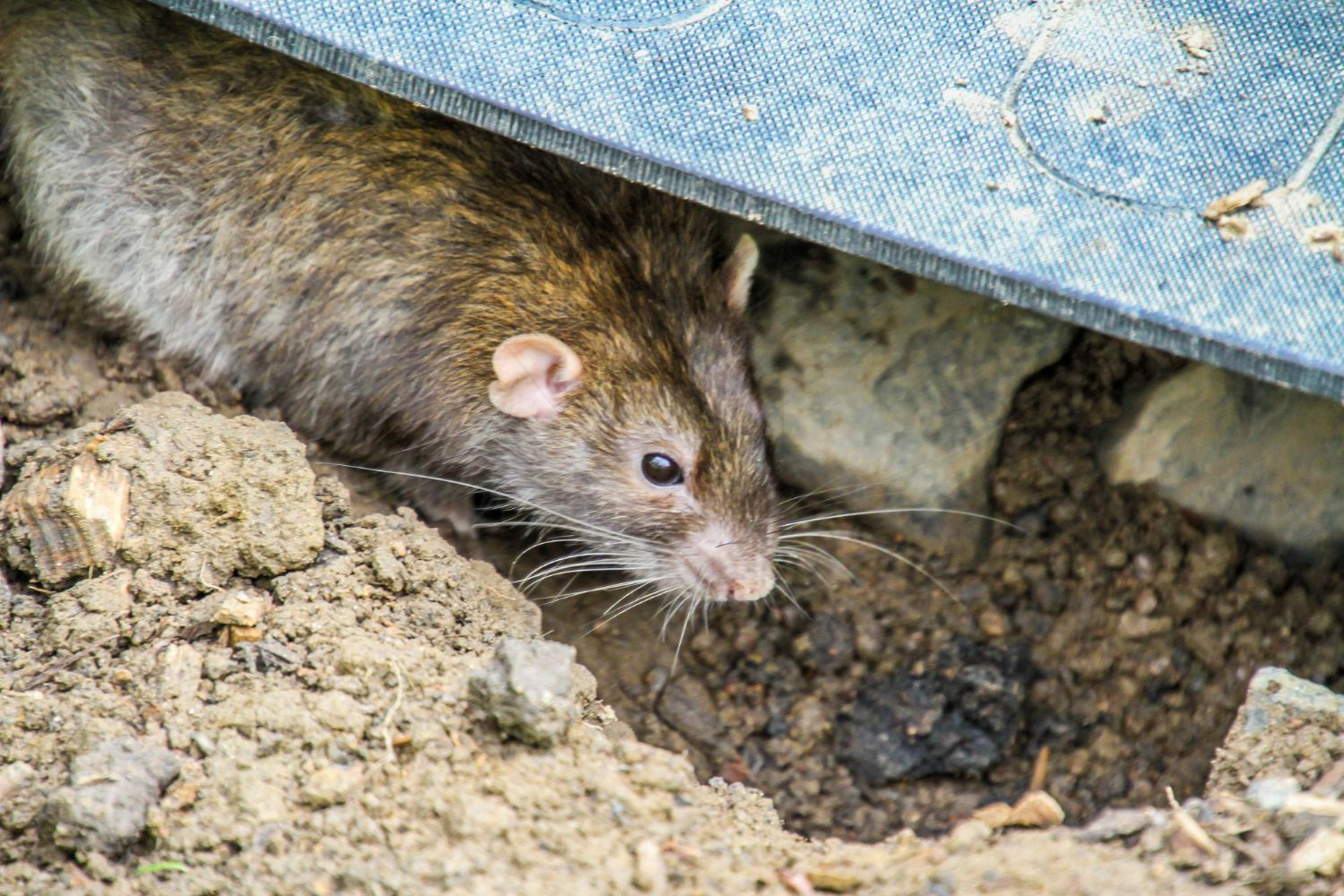
March in Denver and the surrounding Front Range communities (Aurora, Parker, Centennial, Lakewood, Westminster, Thornton, Northglenn, Arvada, Golden, and Broomfield) often brings a familiar pattern: warm afternoons, melting snow, and soggy soil followed by another cold snap. That spring thaw is great for yards and gardens, but it can also push mice and rats toward one thing—your home or business.
As the ground softens and water moves, rodents lose stable nesting sites outdoors. At the same time, garages, basements, and utility rooms become easier to access thanks to winter wear and tear on your property. Knowing what attracts rodents indoors is the first step to effective rodent removal and long-term pest control.
Why Spring Thaw Drives Rodents Indoors
During Colorado’s freeze-thaw cycles, the soil shifts and tiny foundation cracks can widen. Snowmelt may also flood burrows, forcing rodents to relocate quickly. Mice and rats only need small openings to get inside, and once they do, they’ll stick around if they find steady food, water, and warmth.
In March, you may also notice increased rodent activity as breeding ramps up. A small issue can become a bigger residential pest problem fast if it’s not addressed early.
Top Indoor Attractions For Mice And Rats
Rodents are opportunistic. They’re not looking for “dirty” homes—just easy resources. The most common indoor attractants we see around Denver-area properties include:
Food Sources They Can Smell From Outside
Mice and rats have an excellent sense of smell. Common culprits include:
- Pet food stored in bags (especially in garages)
- Birdseed and grass seed stored in open containers
- Pantry items in thin packaging (cereal, grains, snacks)
- Uncovered trash or recycling, including sticky cans and bottles
Water And Moisture From Snowmelt
Spring melt creates moisture indoors and out. Rodents need water and will gravitate toward:
- Leaky hose bibs and dripping outdoor spigots
- Basement seepage or damp crawlspaces
- Condensation near HVAC units or water heaters
- Under-sink plumbing drips
Warm, Undisturbed Nesting Spaces
Even when days warm up, nights can drop below freezing in March. Rodents seek shelter in:
- Insulation in attics and crawlspaces
- Wall voids around plumbing penetrations
- Cluttered storage areas, especially cardboard boxes
- Detached garages and sheds with gaps at the base
People Also Ask: Why Do Mice Come Into The House In Spring?
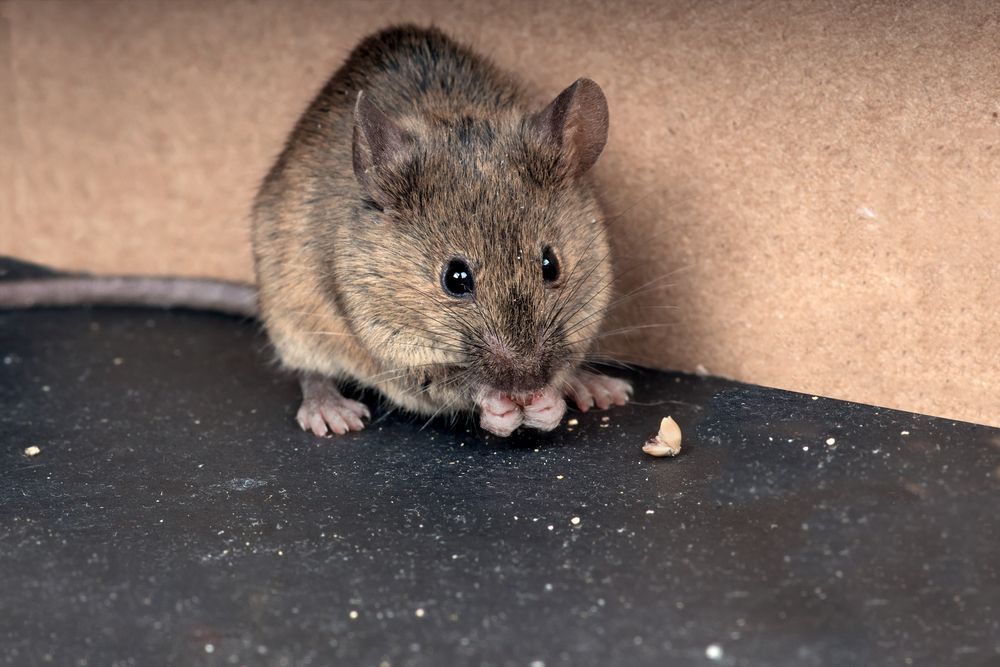
This is one of the most common questions homeowners search this time of year. Mice come inside in spring because thawing ground and spring storms disrupt outdoor nesting sites, while homes offer stable temperatures and reliable food and water. In Denver’s spring freeze-thaw pattern, small openings can also appear around foundations, garage doors, and utility lines—creating easy entry points. If mice find a consistent resource indoors, they’ll keep returning and may establish nesting areas.
Spring Entry Points We Commonly Find In Colorado Homes
As part of our residential pest control inspections, we frequently see rodents entering through:
- Gaps under garage doors or worn weather stripping
- Cracks in the foundation caused by shifting soil
- Utility line penetrations (AC lines, cable, plumbing)
- Window wells with poor covers or damaged screens
- Vents without proper screening
For commercial pest control, we often find vulnerabilities at receiving doors, dumpsters, and storage areas—especially for restaurants, offices, and multi-family buildings where foot traffic and deliveries increase in spring.
Simple March Prevention Steps That Actually Help
A few targeted steps can reduce rodent pressure quickly:
- Store food (including pet food and birdseed) in sealed, hard containers
- Clean up spilled seed around feeders and consider relocating feeders away from the home
- Reduce clutter in garages and basements; avoid storing items directly on the floor
- Seal gaps and cracks; remember mice can fit through openings about the size of a dime
- Address moisture: fix leaks and consider a dehumidifier in damp basements
When DIY Isn’t Enough: Professional Rodent Removal In Denver
Traps may catch a symptom, but lasting pest control requires identifying how rodents are getting in and why they’re staying. At SPLAT! Pest Management, we focus on thorough inspections, clear communication, and safe, effective solutions—so you’re not guessing. We also help prevent repeat problems with targeted recommendations and exclusion strategies tailored to Denver-area weather and building styles.
If you’re hearing scratching in walls, finding droppings, or noticing chewed packaging as the snow melts, don’t wait for the problem to multiply. Schedule an inspection with SPLAT! Pest Management today for dependable rodent removal and prevention for your home, multi-family property, or business in the Denver metro area.
Share This Blog